Dit artikel verscheen in FORUM+ vol. 33 nr. 1, pp. 2-3
In the precursor of this editorial in the April 2025 issue (#1), Nele Wynants reflected on the interaction and exchange between different cultural perspectives on the cover of that issue; she also welcomed me as co-editor-in-chief. After Nele's departure from FORUM+ last year, it is now my turn to express the great pleasure of welcoming Annelys de Vet to our community, as our new co-editor-in-chief. Annelys joins FORUM+ with a background in design and the visual arts, and with a vast experience in publishing and, among others through the Subjective Atlases, in bottom-up mapping from the inside out.
I deeply believe in the value of sharing leadership, in various forms of organization: to cultivate working with different viewpoints, and make exchange in leadership itself a default mode of working. This often forces us into a slightly slower pace, with more reflection and consideration of different positions one cannot imagine alone – which, in my background in the performing arts, is a mode that in its best form results in richer, more diversified work.
Obviously, communication and collaboration in our work are not limited to the dialogue between authors, reviewers, editorial and advisory board, and editorial office – which typically creates a fertile ground for learning on all sides, long before publication. It also concerns artistic research at large, as a discipline where diverse practices and discourses from within and outside the arts meet, join, clash, or challenge each other. This collaboration of divergent practices can take place between different individuals, as well as within one and the same person.
Especially in artistic research and its dissemination, the co-presence of, and exchange between, different media, modes of expression, different kinds of materiality and tactility, and ways of knowing, is crucial. At times, spoken or written language can fall short, or is used more scarcely, in situations where artistic media – sound, image, bodily movement, objects – can articulate a narrative, or make an argument in a more immediate, precise, or (in the best sense of the word) complex manner. Maybe this is one of the essential arguments that the arts, and artistic research in particular, can make in this time of multiple crises: that it matters, not only to work with different forms, modes, media, senses, or materialities, but to take them seriously as equal partners and perspectives in a transdisciplinary and ongoing, continuously evolving, dialogue.
The contributions in this issue offer an abundance of ideas on various kinds of, and perspectives on, communication, collaboration, and community. Adrián Artacho, Leonhard Horstmeyer and Hanne Pilgrim explore “smooth spaces”: dynamic, embodied, and non-hierarchical “fields of possibilities” in co-creative, transdisciplinary methodologies. They set disciplinary collision at the centre of knowledge production, embracing the interplay of structure and emergence. In her artistic contribution, Anaïs Chabeur reflects on how co-presence and tactile intimacy with a dead body can shed a different light on grief and death. Marija Griniuk writes about the collaborative encounter of artists with place and people, to co-create a performance in high-speed mode, as a process of “immediate connection with place upon arrival”. The contribution by Mariske Broeckmeyer and Eva Moulaert traces the encounter of two heavily pregnant doctoral artist-researchers that leads to an exchange on motherhood and artistic research practice – as two practices of ongoingness in sometimes challenging relationships. Việt Vũ offers an insider perspective on censorship in Vietnam. As is not uncommon for artist-researchers, Việt moves between several roles – collaboratively, so to speak – between being researcher, participant, colleague filmmaker, translator, and workshop participant. Janna Beck shares ideas on the studio as network, through telematic and participatory art practices. With the example of the open-source drawing platform FRAMED, Janna reimagines the atelier as a digitally networked collaboration: open, dynamic, and subject to technological, institutional, and geopolitical forces. Sandra Sara Raes Oklobdzija reflects on Dutch-language documentary theatre in Belgium. With theatre being a discipline of community and co-creation par excellence, Sandra argues that documentary theatre should not just archive or aim for objectivity, but rather speculate and imagine. Finally, Tina Lenz presents an entirely individual take on this editorial's title in her review, in which she brings Bart van Dijck's ÎNTERZONE Threshold Cards into co-presence with tarot cards, animal spirits, and Bruno Latour's idea of the Earth as symbolic force.
Please feel most welcome to join the dynamic network that both FORUM+ and artistic research are – by reading, engaging with, and shaping research in and through the arts.
+++
Falk Hübner
co-editor-in-chief, FORUM+
Meer van deze auteur
Te veel concept voor de artistieke praktijk?
Falk Hübner
Op weg naar een vruchtbare vallei. Over methoden en methodologieën in artistiek onderzoek
Falk Hübner, Joost Vanmaele
Meer uit dit nummer
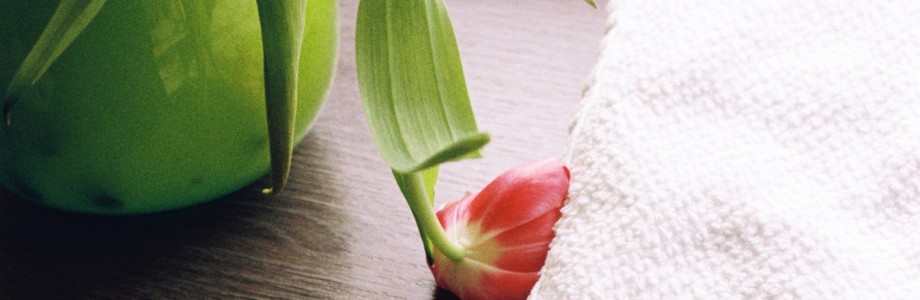
John’s care. Private clinic, Brussels, April 2025
Anaïs Chabeur